The bumper crops seem to alternate years, but 2023 has definitely been prolific. Alas, my own mango tree, with delicious Mallika Indian mangoes, didn’t have a lot of mangoes, perhaps because I recently trimmed it. Quite a few of the mangoes I did get were eaten by squirrels, while they were still green and on the tree. Darn squirrels! I did manage to rescue a couple, however, which I relished. I ate those, chilled, sliced and in a bowl. Smooth, creamy, sweet and fragrant. Pure heaven!


My first batch of this year’s mangoes came from a tennis teammate, who was going out of town and didn’t want them to go to waste. She owns a farm in the Redlands and gave me a big box of beauties. With that HUGE supply, I made three batches of Mango Jam– regular, spicy red pepper and habanero.


My Mom was the second person to give me mangoes, as she has quite a few trees my Dad planted. I made Mango Sorbet and Mango Bread with those mangoes. A.J. left a couple for me, so I tried making Mango Bar B Que sauce. I substituted the tomatoes for mangoes and altered some of the ingredients for a more tropical Bar B Que sauce- perfect for shrimp, fish and pork.


When all else fails, and mangoes are in danger of going bad, pureeing them is an excellent idea. These can be frozen for future use, or used in Mango Bellinis, as I did for my Pizza Dinner Party. While I put a little mango puree at the bottom of the glass and poured the Prosecco over the top, in the future I will stir the mango puree into the Prosecco and then pour, thus avoiding the mango volcano eruption the puree created.
I read an article from a local chef, who recommended different ways to use up all the excess mangoes in Miami this year. One way he suggested was to chop up the mangoes, soak them in rum and make them into Mango Mojitos. I chopped and soaked the mangoes in rum for a couple days, but made a Mango Daiquiri instead. Delicious and very refreshing. After sipping this by the pool, I decided this should take the place of Mojitos as the official drink of Florida.


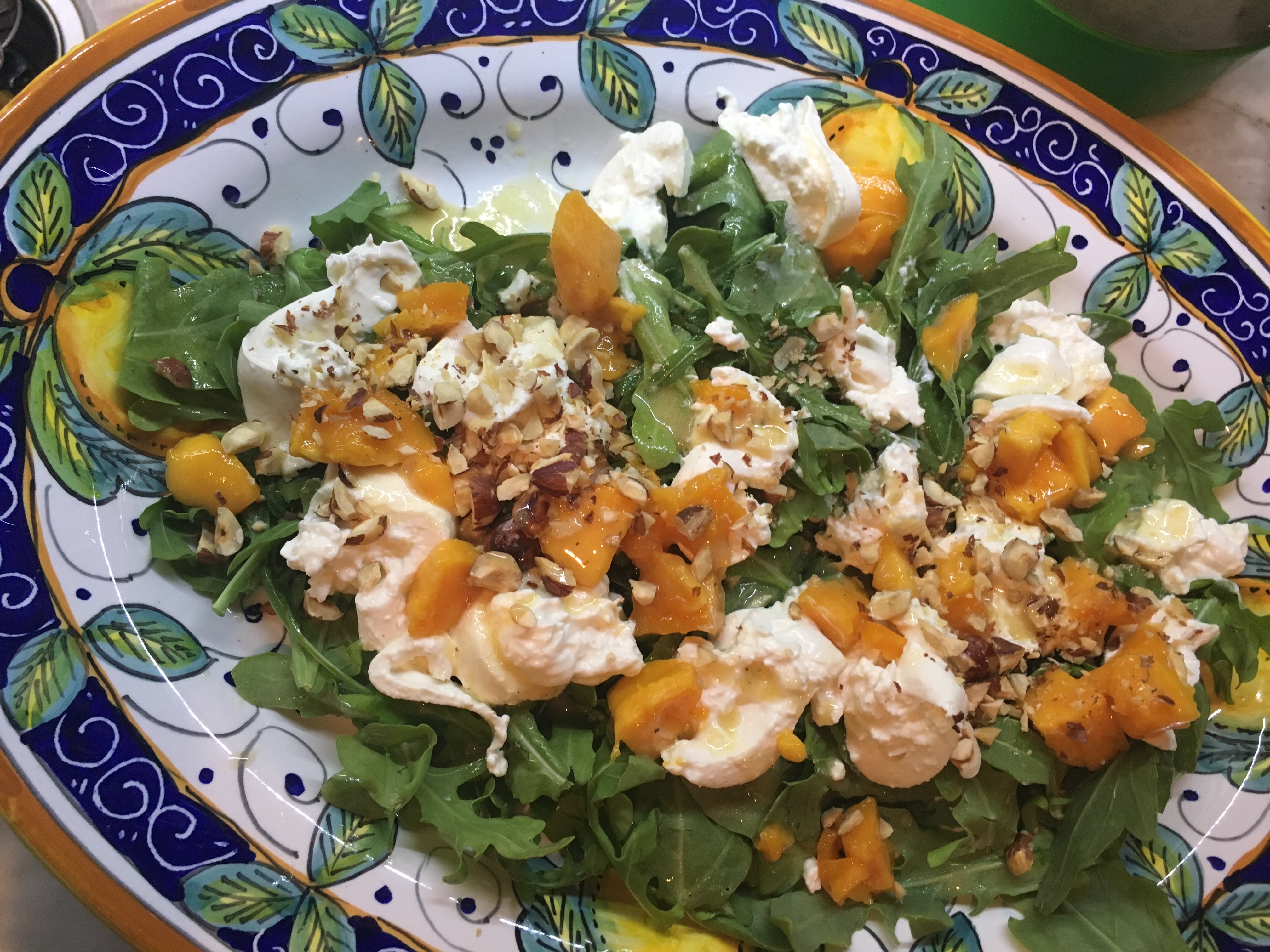
The last remaining mangoes traveled with me for a weekend in Key Largo. Searching inspiration in my fridge, I spotted some fresh mozzarella cheese and decided to use them with that, on a take of a Caprese Salad. I served sliced mangoes with sliced mozzarella on a bed of lettuce and topped it with a raspberry, jalapeno vinaigrette and chopped, toasted almonds. It was quite delicious, refreshing and tropical; I will keep this Mango Mozzarella Salad recipe in rotation for next year. It was an easy and impressive dish.

Below, is how I slice mangoes. I find to be the easiest and most efficient method. Slice in half and cross-hatch the side without the seed. Then, flip the flesh out until it looks like an orange porcupine, then slice those chunks off. The side with the seed is harder to manage, but doable. Slice around the circumference as deep as you can, then remove the skin, exposing the flesh. Cross-hatch the flesh, getting as close to the seed as possible. Slice those chunks off as well and whatever flesh is around the sides of the seed. Voila! You’ve sliced a mango.


Alas, mango season seems to be coming to an end. I went to my Mom’s for more and she offered me avocados instead, now falling from trees at her house. I love Mango Season though- it’s one of the only bright spots in the otherwise unbearably hot and humid Miami summers. And, even with the excess of mangoes available this year, I think most people who live in Miami will agree, it always ends too soon.
Up Next: Around the State in 7 Days
]]>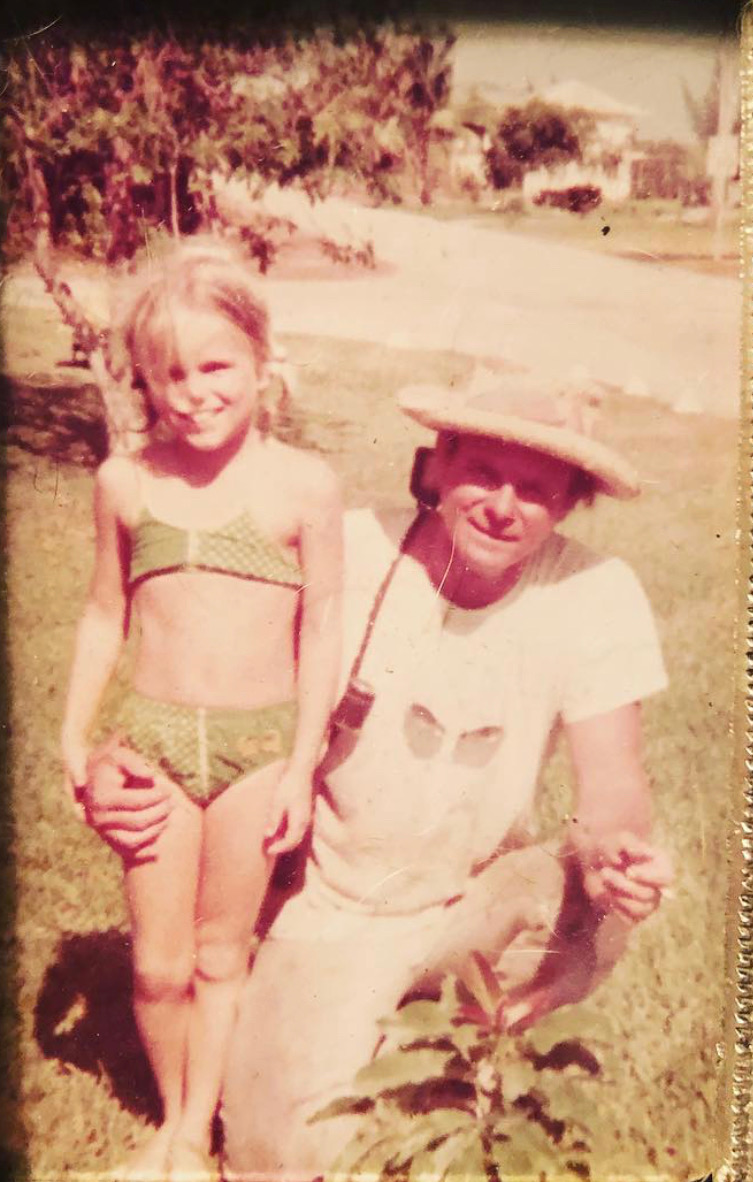
While there are more than a 1000 varieties of mangoes growing all over the world, we in South Florida are lucky as it is one of the “meccas of mangoes due to our year round temperate climate”, according to Wikipedia. Most of the mangoes found in the grocery store today can be traced to a mango tree Captain John Haden planted in Coconut Grove in 1902. Although he died the following year, his widow Florence tended the tree until it fruited in 1910. Most of the mangoes varieties grown in Florida are either direct, or indirect descendants of that first Haden tree.
When I decided to get a mango tree, I took a similar tact to my Dad’s. I attended the Fairchild Tropical Garden Mango Festival and sampled a wide variety of mangoes in the Tasting Room. The Mallika mango, a sweet and creamy dessert mango from India, was my favorite. It’s is actually a hybrid of two mango varieties (Neelum and Dasheri) and was developed in India’s national breeding company in the ’70’s. I didn’t care about that, only that it tasted delicious. There was no turpentine taste or stringy fibers in my Mallika.
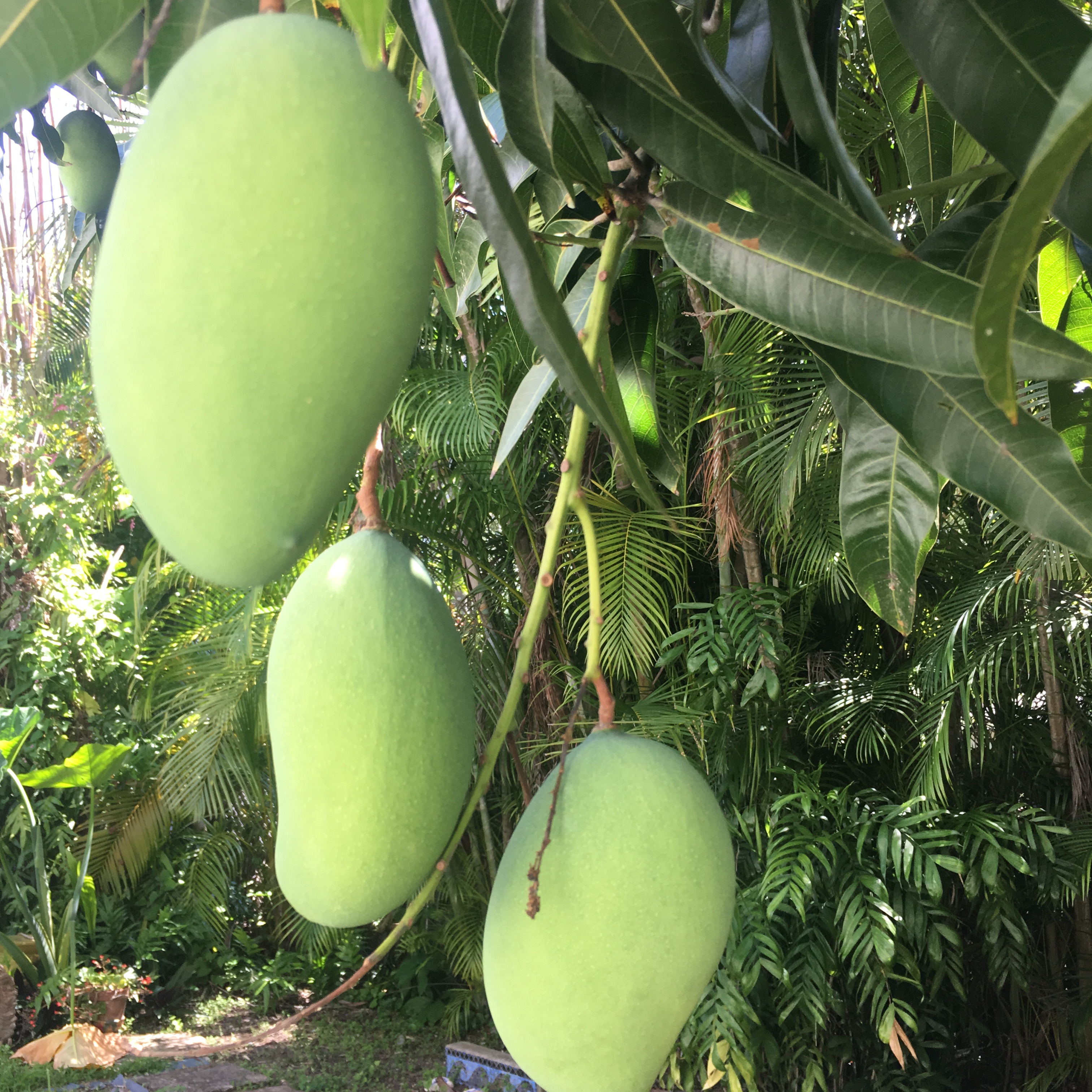
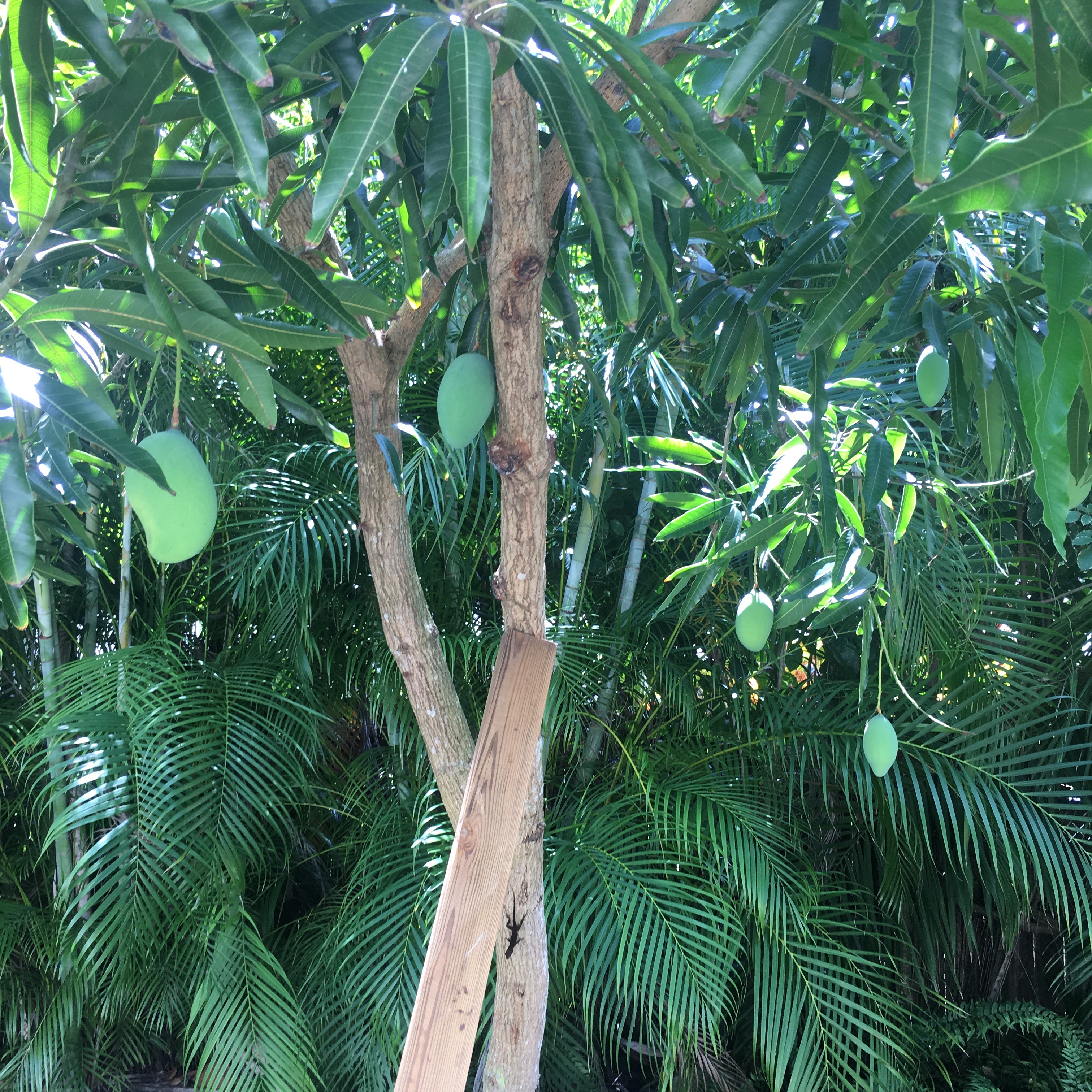
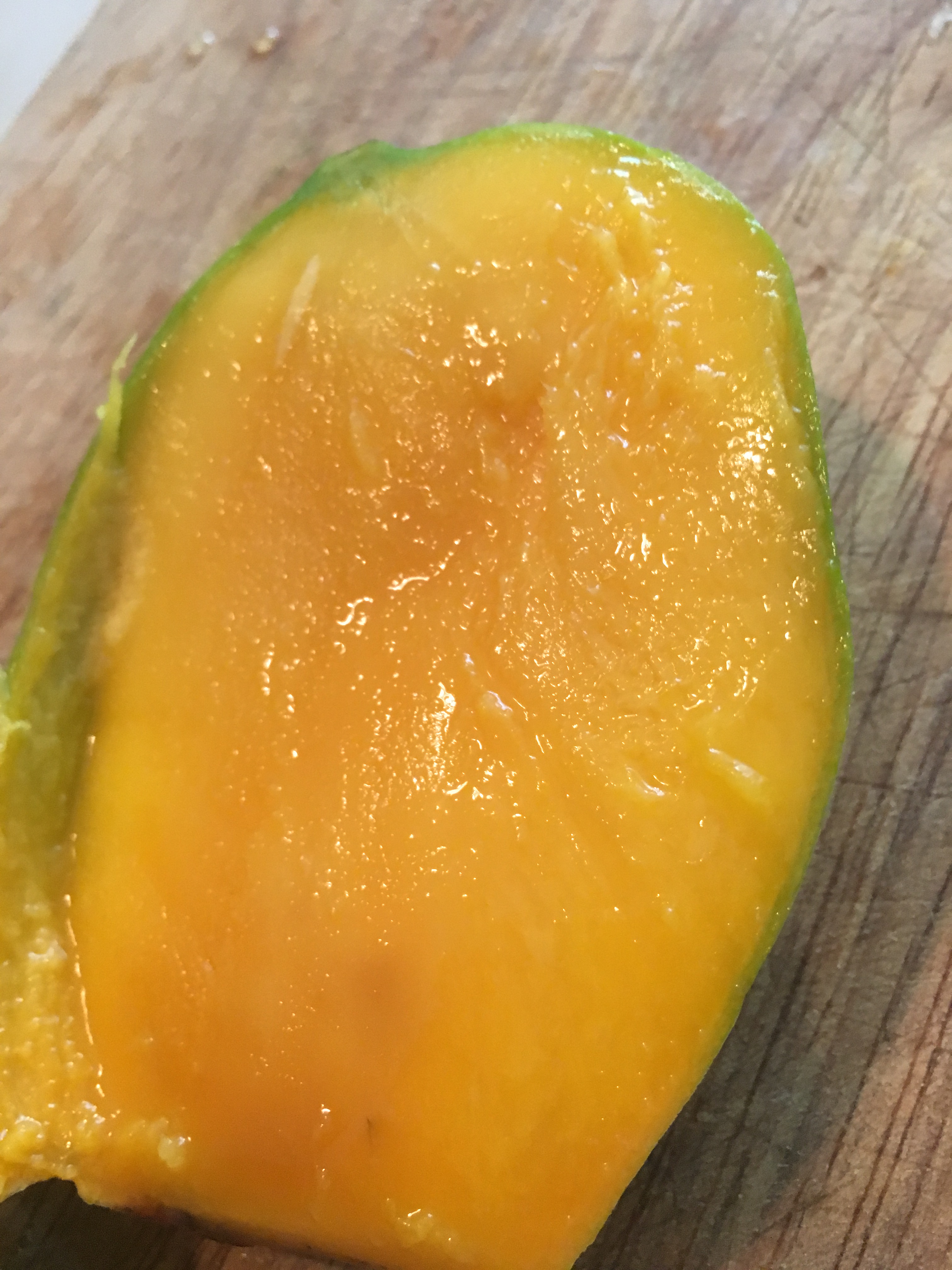
I planted it in my backyard and waited patiently until it fruited. It took a couple years. I also watched it anxiously, from my son’s bedroom window, as Hurricane Irma wreaked havoc in our yard in 2017. Luckily, it survived, while leaning quite a bit to one side. We propped it up and it recuperated. Last year, I had an abundance of Mallikas. This year, I’ve only had three. A couple got eaten by squirrels, I picked one too green that never ripened, gave one to my son in Tallahassee, so in the end, I only sampled one Mallika mango! These mangos differ from others like Hadens, as they never develop that beautiful bright orange and red color on the outside when ripe. These pendulous, tear-drop shaped mangoes turn slightly yellow on the outside, but inside are a brilliant, yellow-orange hue.
If you have an excess of mangoes, due to having trees in your yard or getting gifted with mangoes from friends or neighbors, here are some recipes to use up those mangos. The easiest recipe I offer is for mango salsa. It’s great on cooked fish and shrimp, but also works well on roast chicken or pork. It could also be used on seafood, pork or black bean tacos or as a healthy dip with tortilla chips. Blue chips offer a nice contrast to the orange salsa.
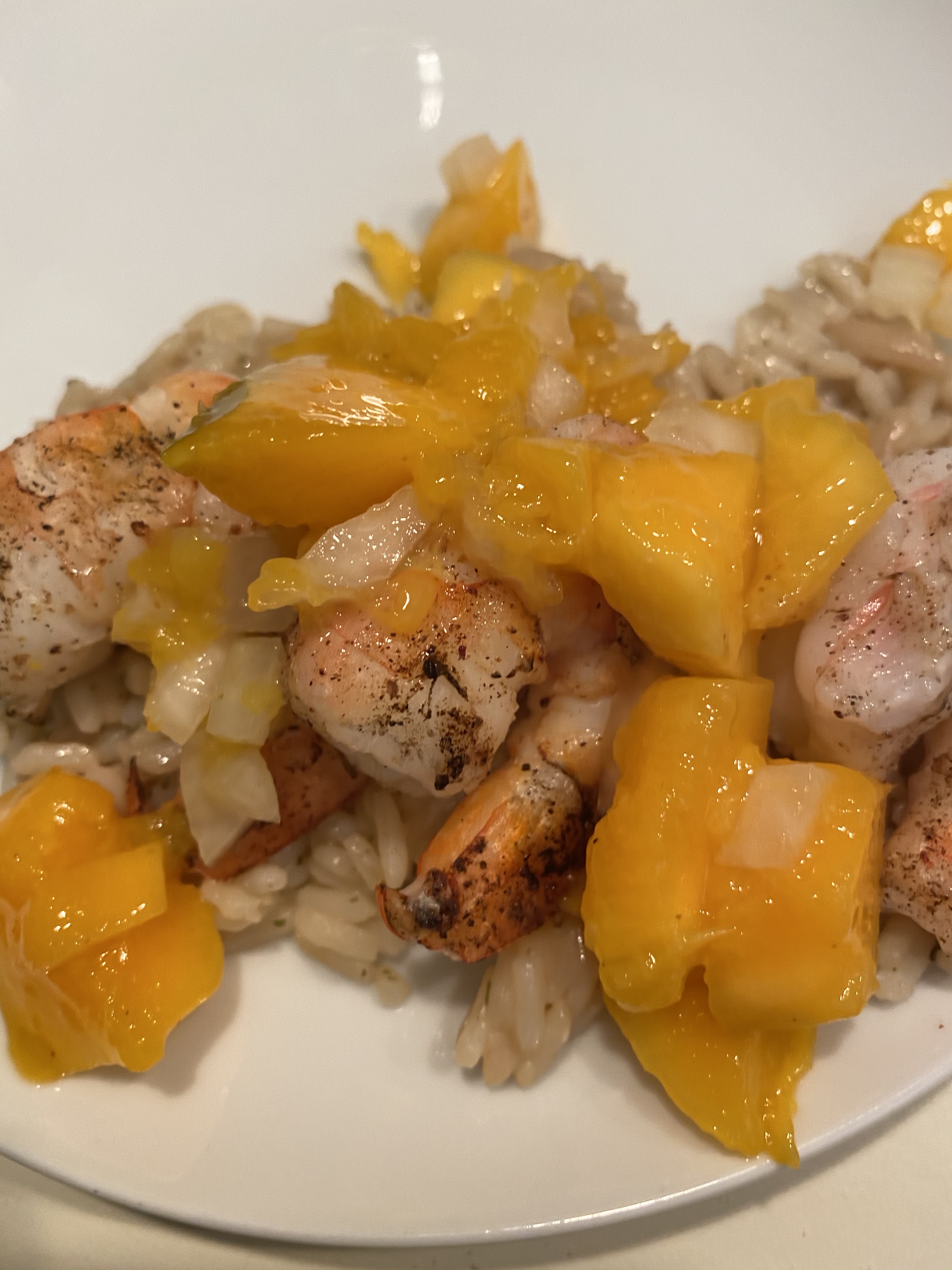
Mango Salsa
3 ripe mangoes, diced with juices
1/2 cup red onion, chopped
1/4 cup cilantro, chopped
1 jalapeno or serrano pepper, seeded and minced
1 large lime, juiced (1/4 cup)
salt to taste
Combine all ingredients. Add salt to taste. (If you don’t like cilantro or spicy, eliminate those ingredients.)
This recipe is from Serve it Up!, a fundraising cookbook for Autism I helped put together with my friend and fellow tennis player Sharon Williams. Sharon is an excellent cook and tennis player; she is especially known for her baked goods. My sister Kelley made several batches of this mango bread to give to friends and family as a way of reaching out with the Pandemic and everyone loved them. The oil in the recipe makes this loaf very moist.
Mango Bread Makes 2 loaves
2 cup all purpose flour
2 tsp. baking soda
1/2 tsp. salt
1 tsp. cinnamon
1/2 tsp. freshly grated nutmeg
1 cup sugar
1 cup brown sugar
3 eggs
2 cups ripe mango, diced with liquids
1 cup vegetable oil
1 tsp. vanilla
Optional: 1/2 cup raisins, 1/2 cup chopped nuts, 1/2 cup shredded coconut
In a large mixing bowl, combine all ingredients. Mix just until combined. Pour into two greased loaf pans, or a bundt cake pan. Bake at 350 degrees for 40 to 50 minutes or until a toothpick comes clean.
Mangoes can also be frozen and saved for future use; I often use them in smoothies. They are also an unusual and welcome addition to salads. See my previous post on Houston’s Thai Steak and Noodle Salad to see how I used the one Mallika mango I harvested. I also made a wonderful mango, burrata, hazelnut and arugula salad with balsamic glaze last year from a recipe (Love thy Carrot website by Marla Hetzman) that originally called for grilled peaches. I find mangoes can pretty much be substituted for peaches in most recipes.
Up Next: Key West Food Tour Seafood Lover’s Tour
]]>